
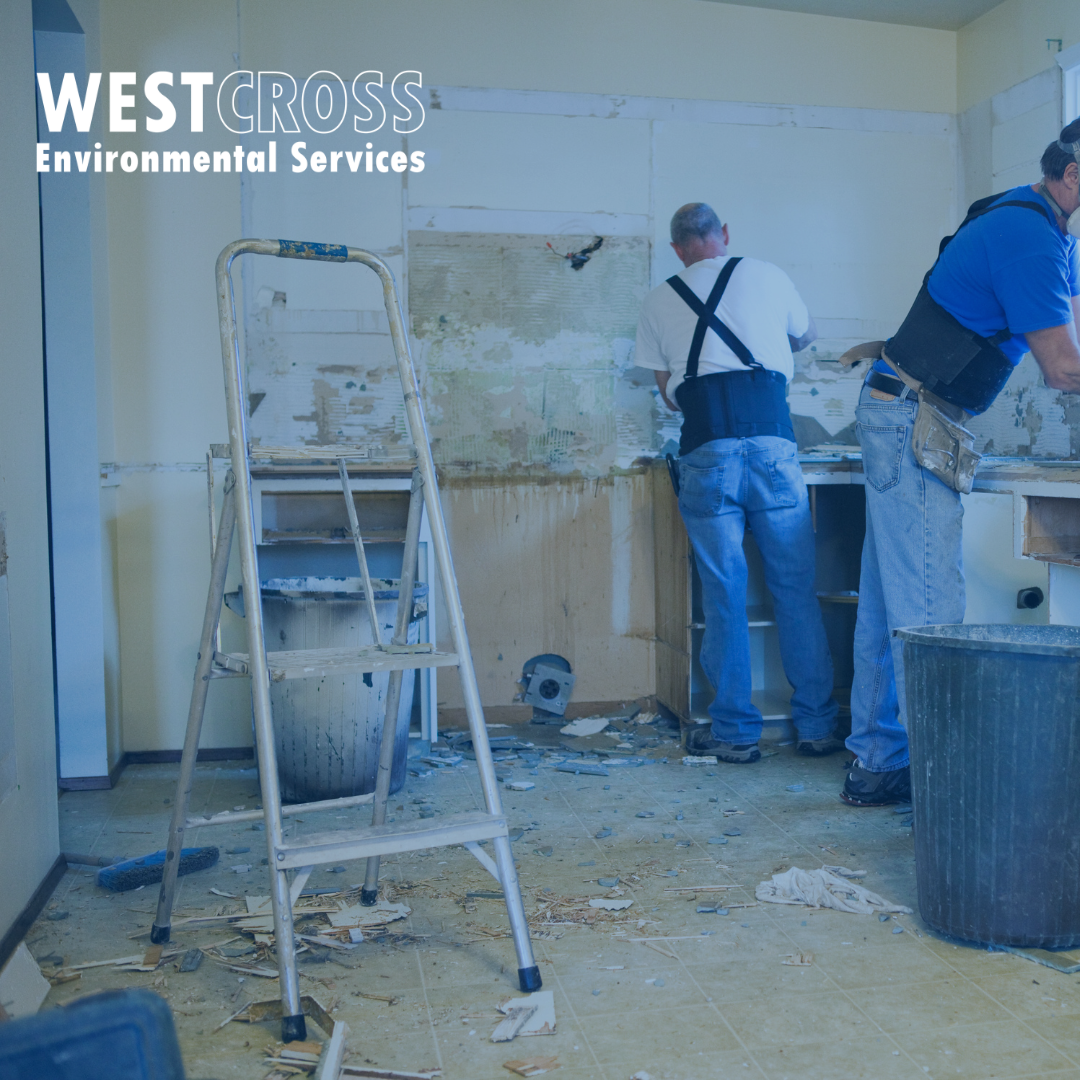
If you’re a builder, plumber, electrician, joiner, decorator, or handyman — you’ve likely worked in properties built before 2000. And if you haven’t had asbestos awareness training, you could be putting yourself and your clients at serious risk.
At WestCross Environmental Services, we’ve sadly seen too many incidents where a tradesperson unknowingly disturbed asbestos-containing materials (ACMs), resulting in exposure, property contamination, and costly clean-up operations.
This blog isn’t here to scare you — it’s here to arm you with practical knowledge to keep yourself, your team, and your clients safe.
Where Might You Encounter Asbestos?
Let’s get real: asbestos is still hiding in millions of UK buildings — homes, schools, hospitals, shops, and offices. If the building was built before the year 2000, always assume asbestos might be present.
Common spots include:
- Ceiling tiles (especially polystyrene-backed)
- Textured coatings (Artex)
- Pipe lagging and tank insulation
- Floor tiles and adhesives
- Boiler cupboards and flue pipes
- Fuse boards and electrical backing panels
- Cement sheets in garages, soffits, and roofs
💡 Did you know? Just one scrape, drill, or cut through an asbestos-containing material can release fibres invisible to the naked eye — and once inhaled, they don’t come back out.
Real-Life Mistakes We’ve Seen
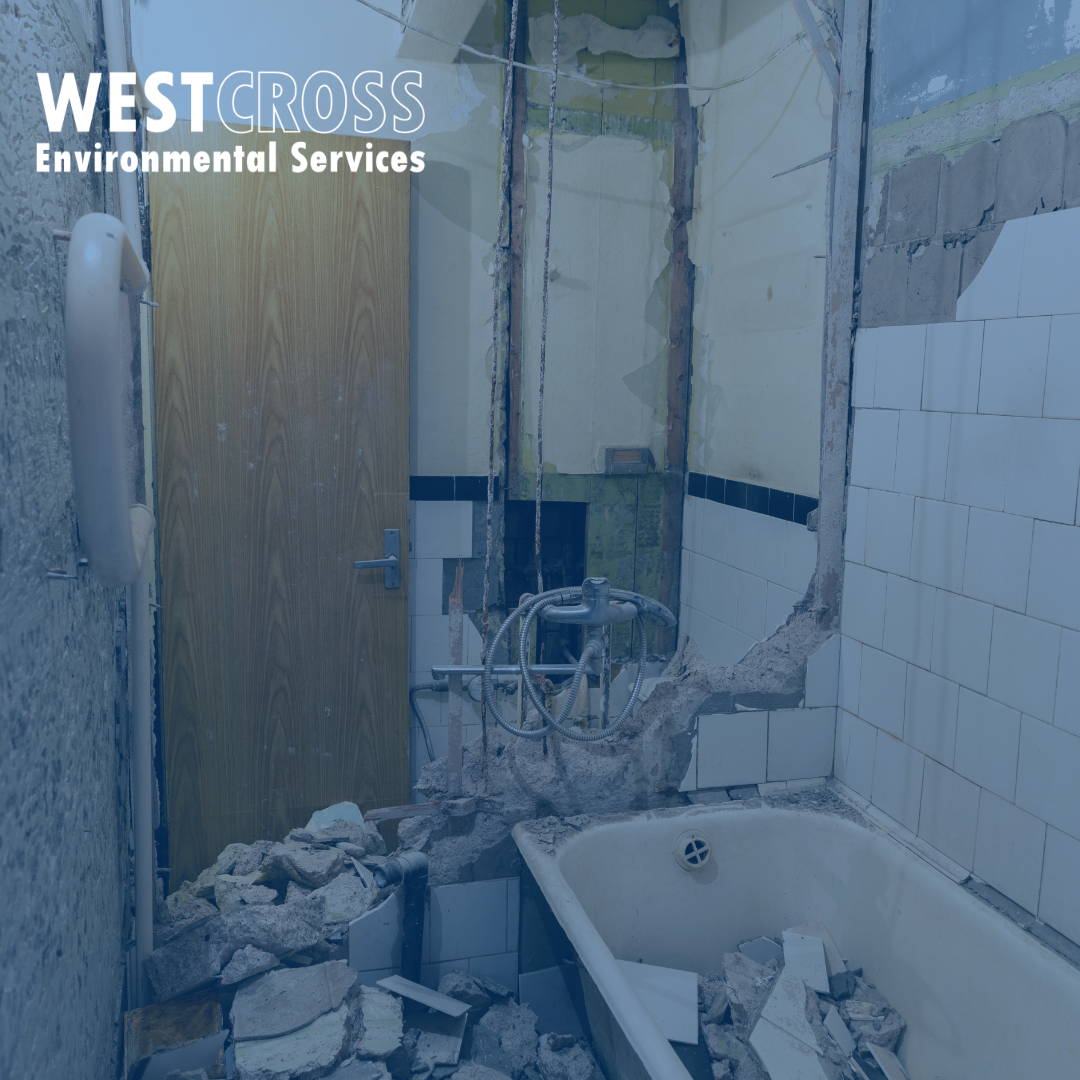
- A bathroom fitter rips out a ceiling to install a vent — it was Artex with asbestos
- A sparkie drills into a ceiling void to drop a cable — pipe lagging disturbed
- A kitchen fitter rips up floor tiles — black bitumen adhesive was ACM
- A decorator sands a “textured wall” — not knowing it’s asbestos coating
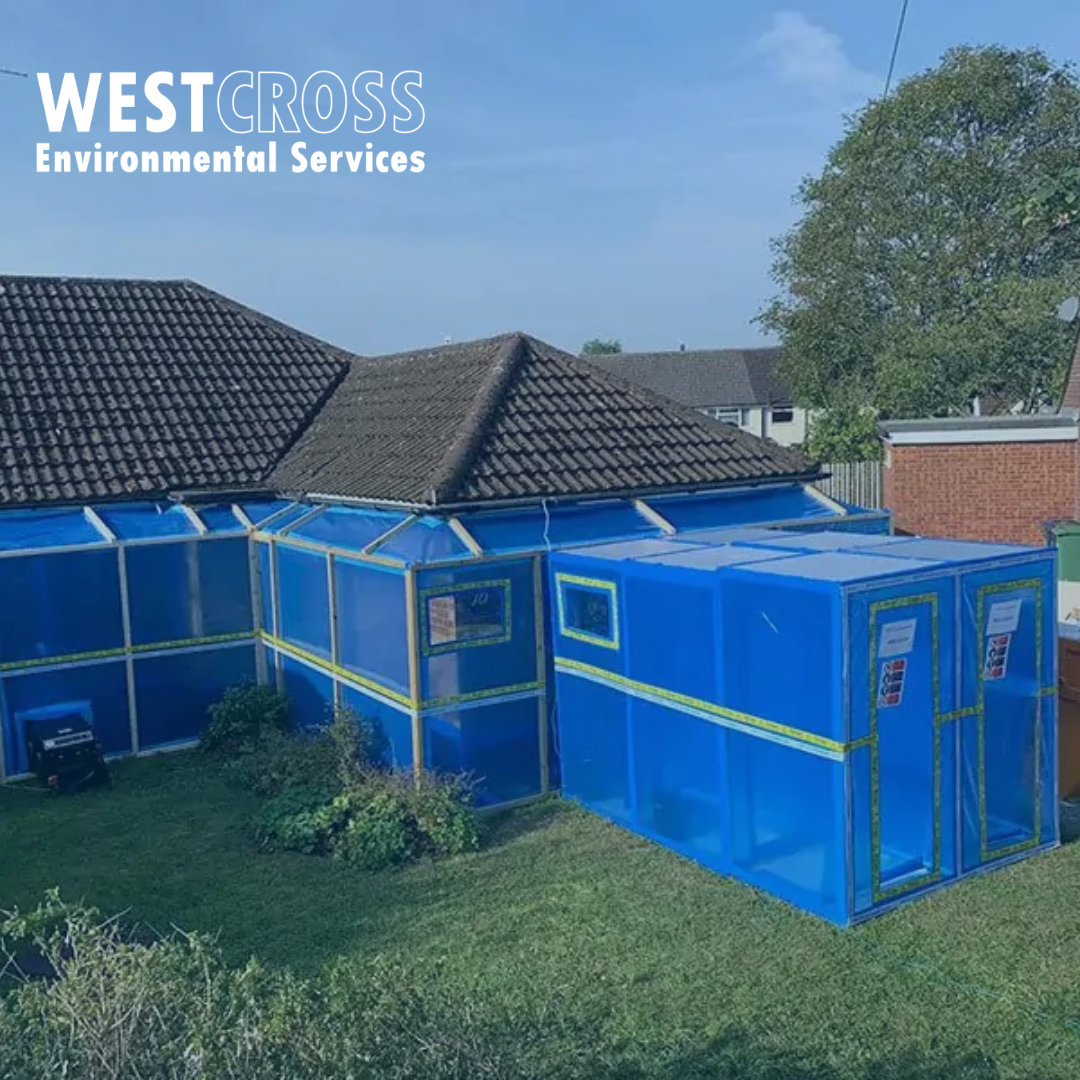
And then we get the call: property has to be sealed off, deep cleaned, air-tested — and in some cases, the client has to leave their home.
What Every Tradesperson Should Know
1. Asbestos awareness training is essential
Not just for compliance, but for your own safety. Even basic training helps you identify suspect materials and know when to stop.
2. Always ask: has an asbestos survey been done?
Before renovations, demolition, rewiring or plumbing — ask the property owner for an asbestos management or refurbishment survey.
3. Don’t disturb what you don’t recognise
If something looks unusual — old insulation, grey panels, dusty coatings — leave it alone until it’s confirmed safe.
4. Carry out a visual check before you start work
Build the habit. A quick scan for common ACMs can save lives.
5. Use a licensed contractor for removals
If in doubt — get a pro. WestCross handles licensed and non-licensed asbestos removals safely, quickly, and with zero guesswork.
FAQs – Asbestos Safety for Tradespeople
1. Do tradespeople need asbestos awareness training?
Yes — anyone who might disturb asbestos during work should undergo awareness training. It’s not just smart — it’s often a legal requirement.
2. Can I remove asbestos myself as a tradesperson?
Only non-licensed asbestos (like certain floor tiles or cement panels) can be removed by trained persons. Most removal jobs should be done by licensed professionals like WestCross.
3. What happens if I disturb asbestos by accident?
Stop work immediately, inform the property owner, and contact an asbestos professional. Avoid sweeping or vacuuming — it makes it worse.
4. Is asbestos still legal in the UK?
No. Asbestos has been banned since 1999 — but it remains in many older buildings, especially in hidden areas.
5. How can I get a property checked before I start work?
Ask for an asbestos management or refurbishment survey. WestCross can arrange this quickly with detailed reporting and safe sampling.
📞Call Us Today
If you’re a tradesperson working in older buildings, don’t leave safety to chance. Let WestCross Environmental Services help you spot the risks, stay compliant, and keep yourself and your clients protected.
📞 0330 043 9222
📧 info@westcross-es.co.uk